The Emerging Economy of One: Products Made for You
Mass production is no longer the only model shaping consumer life. From personalized beauty products to data-driven footwear and AI-powered recommendations, brands are moving toward an economy where products are designed around the individual.


A fundamental shift is happening in the way we buy things. It’s quiet, but it’s happening everywhere. Companies are no longer just asking you to pick a size or a color. They are using your data to create products specifically for you, and only you. From personalized shampoo formulas based on a hair quiz to running shoes engineered for your specific gait, the era of mass production is giving way to mass personalization. This isn't about adding a monogram. It’s about building the product from the ground up for an audience of one.
This feels new, but it isn't. We are watching the high-tech return of a very old idea. Before the first factory whistle ever blew, every product was made for someone, not for everyone. The world of the local craftsman, the tailor, and the cobbler is re-emerging, but this time it is powered by algorithms and automated assembly. The pattern is repeating itself, but the tools are different. And that changes the outcome entirely.
The Assembly Line's Long Shadow
To understand where we are going, you have to understand the deal we all made a century ago. We traded individuality for access, and the architect of that deal was the assembly line. It created the modern world, and its logic still governs how most companies think.
- The World Before the Factory
- Before the industrial revolution, commerce was a conversation. A man went to a bootmaker not to buy boots, but to have boots made. The maker measured his feet, asked about his work, and understood the terrain he walked. The final product was a direct result of that personal data exchange.
- This was the original 'economy of one'. It was bespoke, high-quality, and deeply personal. It was also slow, expensive, and impossible to scale. The best craftsman in town could only serve the town.
- Ford's Uncompromising Offer
- Henry Ford’s moving assembly line did not just accelerate car manufacturing; it introduced a new logic to the world. By standardizing every part and every process, he could produce a Model T at a price the average worker could afford. It was a revolution in access.
- The price of that access was choice. The famous line, 'any color that he wants, so long as it is black,' was not a joke. It was the core principle. Uniformity was the engine of affordability. This model became the blueprint for the 20th-century economy, from toasters to televisions.
The Pattern Repeats, The Tools Change
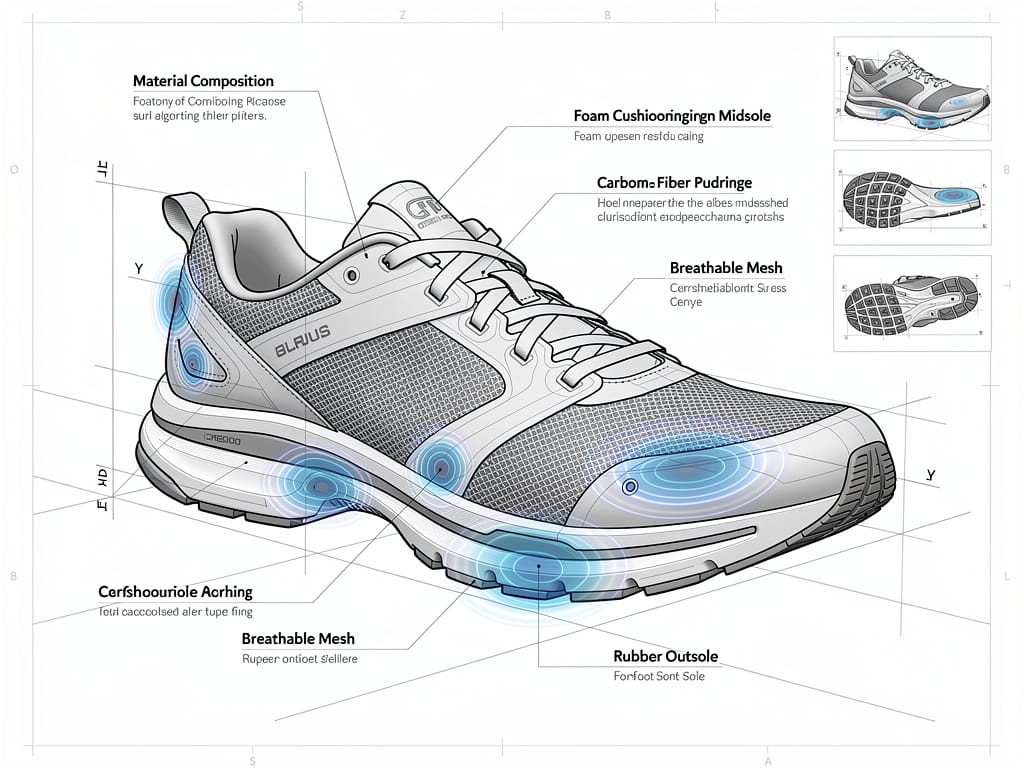
The deep human preference for something that fits perfectly never disappeared. We accepted the trade-off of mass production, but we never stopped wanting the alternative. Now, technology is making that alternative possible at scale, echoing the past to create a new future.
- What’s Identical: The Core Request
- The desire is unchanged. When a customer uses an online tool to design a skincare serum for their specific complexion, they are having the same conversation they would have had with an apothecary 200 years ago. 'My skin is like this, I need a solution for that.'
- We are still asking for a product that solves our unique problem. The difference is that we are no longer speaking to a person, but to a system. The demand for a personal fit-for our bodies, our tastes, our lives-is the constant in this equation.
- What's Different: The Engine of Customization
- The old craftsman was limited by his own two hands. The new craftsman is a system powered by data and automation. An AI can analyze thousands of data points-from a selfie to a survey-to design a perfect product in seconds.
- Agile manufacturing and 3D printing have turned the rigid factory floor into a flexible production hub. The cost of making one unique item is dropping to the point where it can compete with the cost of making ten thousand identical ones. Scale is no longer the enemy of personalization.
- What History Suggests Happens Next
- The first industrial revolution didn't just make craftsmen obsolete; it created entirely new industries, global supply chains, and the concept of the billion-dollar brand. The economic landscape was redrawn completely.
- This shift points to a similar disruption. Companies built on the old logic of 'one size fits all' will face immense pressure from smaller, more agile competitors who can offer a perfect fit. The winners will be those who can manage customer data to deliver a unique product at mass-market speed. The craftsman is returning, not as a person, but as an intelligent system.
The Economy of One is not a niche trend. It is the logical conclusion of applying modern technology to one of the oldest human desires: to have something made just for us. The last century was defined by economies of scale that served the crowd. The next will be defined by economies of scope that serve the individual. The file is on the table. The consequences for brands, markets, and careers are just beginning to become clear.
Want smarter insights on the technologies changing how we buy, live and build the future of business? Join Life Trendsetters and get the weekly briefing in your inbox.
 James Morton