The Quiet Luxury of Doing Less
In a world built on more more content, more choices, more notifications, more productivity doing less can feel like the ultimate luxury.

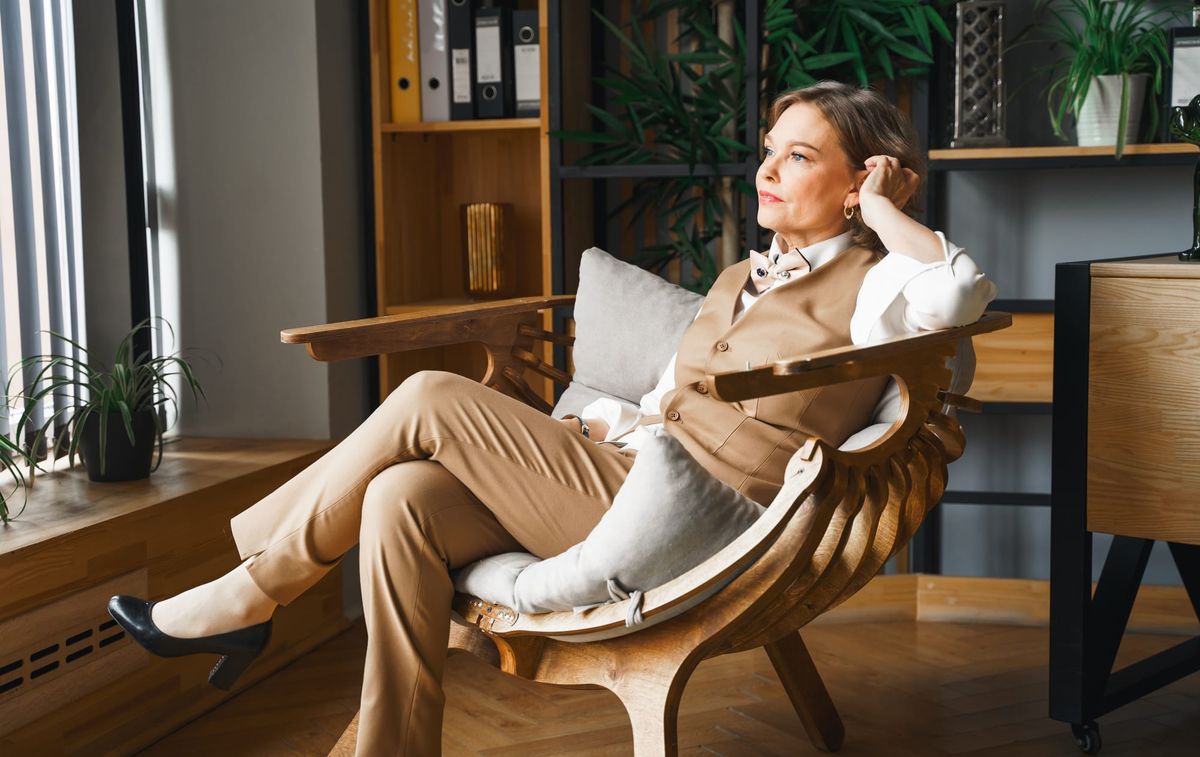
The New Status Symbol is an Empty Calendar
The signal is no longer a watch that costs as much as a car. It isn't a rare handbag or a front-row seat. The new, definitive signal of power and success is silence. It’s an out-of-office reply that doesn't apologize for the delay. It’s a weekend with no plans posted to social media because the account was deleted months ago. It is the quiet, deliberate, and deeply luxurious act of doing less in a world that demands we do more.
This isn't about laziness. It is the opposite. It is about possessing the capital - financial, social, and professional - to opt out of the 24/7 grind that has become the default for everyone else. While the masses are chained to productivity metrics and color-coded calendars, a new elite is defined by its ability to disconnect. They are not buying things. They are buying back their time, and they are doing it quietly.

A Gilded Age Echo
The phone lines in Newport, Rhode Island, did not go dead in the summer of 1899. They hummed with activity. The telegraph office worked overtime. But the messages were not about factory output or stock prices. They were about the intricate, exhausting business of leisure. This was the Gilded Age, and for families like the Vanderbilts and the Astors, proving you did not have to work was a full-time job.
Thorstein Veblen, an economist watching this spectacle unfold, gave it a name: 'conspicuous leisure'. It was the public performance of idleness. A day was a labyrinth of ritual.
- A multi-course 'lunch' at noon that lasted three hours.
- An afternoon of 'calling' where women were ferried in carriages from one mansion - they called them 'cottages' - to another, leaving calling cards in a formal dance of social obligation.
- An evening that began with a ten or twelve-course dinner, where changing outfits was mandatory, followed by a ball that ended as the sun rose.
They took grand tours of Europe that lasted not weeks, but years. They built yachts they rarely used. The entire point of this elaborate theater was to demonstrate an utter and complete freedom from the necessity of labor. It was a loud, extravagant, and unmistakable signal to the millions working in their factories and on their railroads. We are different. Our time is our own.
The Pattern and The Inversion
The impulse is the same. The execution has been turned inside out. A century of history separates our moment from the Gilded Age, but the use of time as a class signifier is a direct thread. The difference is in the delivery.
What Remains the Same
- Time as the Ultimate Currency: In both eras, the ability to control one's own time is the most potent display of wealth and freedom. It separates those who sell their hours from those who own them.
- A Performance of Status: Whether it's a ten-course dinner or a three-day digital detox, the act is a performance. It is meant to signal a certain standing, a different way of living that is inaccessible to most.
- Defining the 'Other': The performance creates a clear line. For the Gilded Age elite, it was the working class. For today's quiet luxury practitioners, it's the 'hustle culture' professional, perpetually online and available.
What Has Changed Completely
- Conspicuous vs. Inconspicuous: The Gilded Age was loud. Its leisure was a public spectacle. Today's luxury is silence. It is found in the absence of noise, the lack of digital updates, the refusal to be constantly available. The performance is in the disappearance.
- The Nature of Work: The 19th-century worker clocked out and went home. The factory couldn't follow them. The modern knowledge worker is never off the clock. The digital factory is in their pocket. Escaping it requires a deliberate, privileged act of unplugging.
- The Aesthetic: Gilded Age excess was maximalist - more gold, more marble, more everything. Quiet luxury is minimalist. It values understated quality, clean lines, and empty space. It is Loro Piana cashmere, not a diamond tiara.
What Happened Next
The Gilded Age party did not last. The sheer, unapologetic spectacle of conspicuous leisure bred resentment. It fueled the Progressive Era. Muckraking journalists exposed the rot beneath the gold plating. Politicians like Theodore Roosevelt rose to power on promises to bust the trusts and curb the excesses of the 'malefactors of great wealth'. The flaunting of idleness became socially and politically dangerous. The system corrected itself.
Today, the quiet luxury of doing less is a niche signal, confined to a small segment of the population. But the conditions that make it so desirable - widespread professional burnout, the tyranny of the digital leash, a sense that the work-life equation is broken - are mainstream. History shows that when the lifestyle of the elite becomes too detached from the reality of everyone else, a correction follows. What begins as a quiet trend among the few can easily become a loud demand from the many.
Want clearer insights on the lifestyle trends changing how we live, choose, buy and connect? Join Life Trendsetters and get the weekly briefing in your inbox.
New to Life Trendsetters? You can also explore our earlier posts on flexibility, subscriptions, convenience, AI and the future of work all part of the bigger story of how modern life is changing.
 James Morton