The Subscription Trap: Why Everything Became a Monthly Payment
From streaming and cloud storage to AI tools and fitness apps, subscriptions have quietly changed how we spend money - and how companies build loyalty.

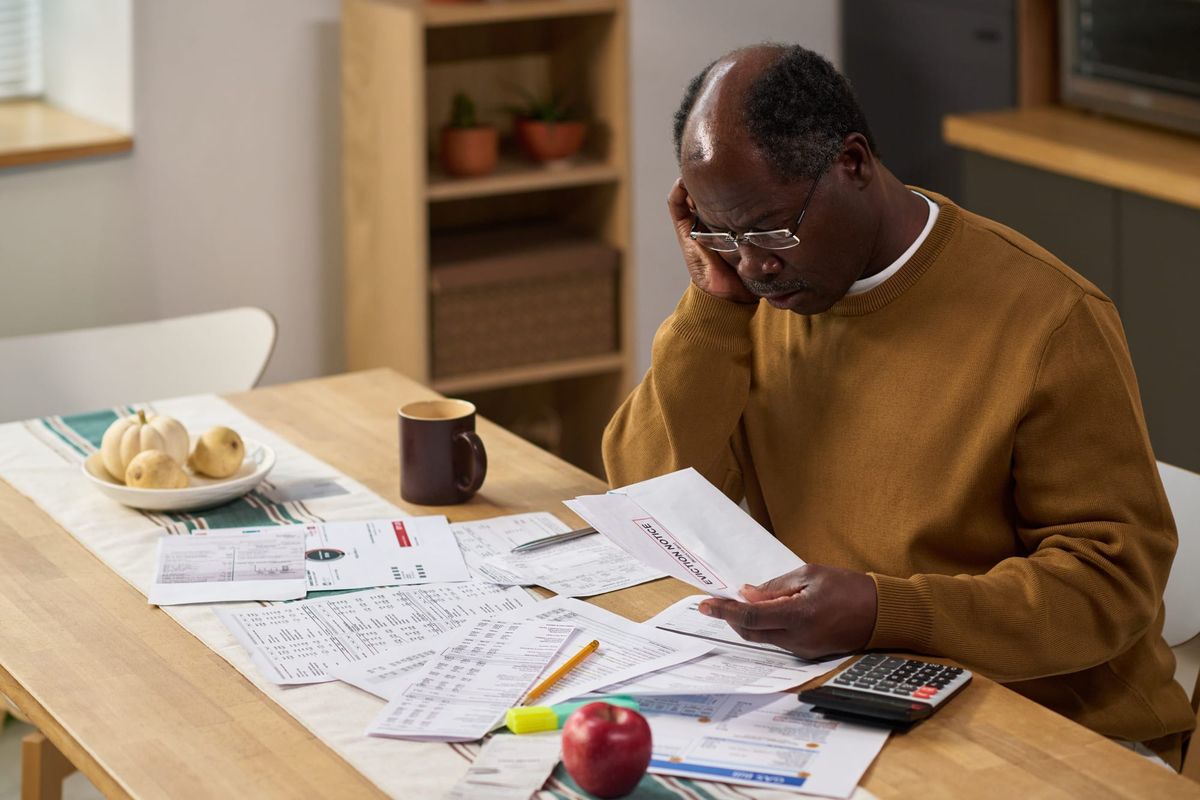
Remember when you bought something and simply owned it?
A software program came in a box. A movie sat on your shelf. A car feature was included because, well, you bought the car. Once you paid for something, it was yours.
That version of ownership now feels almost old-fashioned.
Today, more of modern life runs on access instead of ownership. Movies, music, cloud storage, productivity tools, fitness apps, meal kits, news, AI tools, dating apps, learning platforms, delivery memberships - all quietly asking for a monthly payment.
Individually, these charges feel small. $4.99 here. $9.99 there. $19.99 for something useful. Maybe $29.99 for a tool that saves time.
But together, they reveal one of the most important shifts in modern consumer life: we are buying less and subscribing more.
Welcome to the subscription economy.
The rise of access over ownership
The subscription model is not new. Newspapers, gyms and cable companies have used recurring payments for decades.
What has changed is the scale.
Subscriptions are no longer limited to media or memberships. They have moved into software, cars, food, fashion, finance, education, work tools and even household products. The model has become one of the default ways companies sell convenience.
For consumers, the appeal is obvious. Subscriptions reduce the upfront cost. Instead of paying hundreds of dollars at once, you pay a smaller amount each month. You get instant access, automatic updates, easy delivery and the feeling that you can cancel anytime.
That last part is important.
The promise of flexibility makes the commitment feel lighter than it really is.
A one-time purchase makes you pause. A monthly subscription often does not. It slips into your budget quietly, then stays there until you notice it — or forget it completely.
That is the trap.
Why companies love subscriptions
Businesses did not move toward subscriptions by accident.
The model gives companies something every business wants: predictable revenue.
A customer who buys once may never return. A customer who subscribes creates a relationship. Every month, the company has another chance to keep them, upsell them, learn from their behavior and make the product harder to leave.
This is why investors often like subscription-based businesses. Recurring revenue is easier to forecast than one-time sales. It can make a company look more stable, more scalable and more valuable.
But the model is not just about money. It is also about control.
When a company owns the ongoing relationship, it can shape the customer experience over time. It can introduce new tiers, bundle services, change pricing, add features, remove features or make cancellation slightly less convenient than signing up.
The subscription is not just a payment method.
It is a business strategy.
The psychology of “just a few dollars”
The real power of the subscription economy is psychological.
A $500 purchase feels serious. A $12 monthly fee feels manageable.
But $12 a month is $144 a year. Add five or ten similar subscriptions, and the numbers start to look very different.
This is why subscriptions are so effective. They break large spending decisions into smaller emotional decisions. Each one feels harmless on its own, but together they create a quiet, recurring drain on your money.
The problem is not that subscriptions are bad. Many are genuinely useful. Streaming services can replace expensive cable packages. Cloud storage can protect important files. Productivity tools can save hours of work. Some subscriptions are worth every dollar.
The problem is that modern subscriptions are easy to start and easy to ignore.
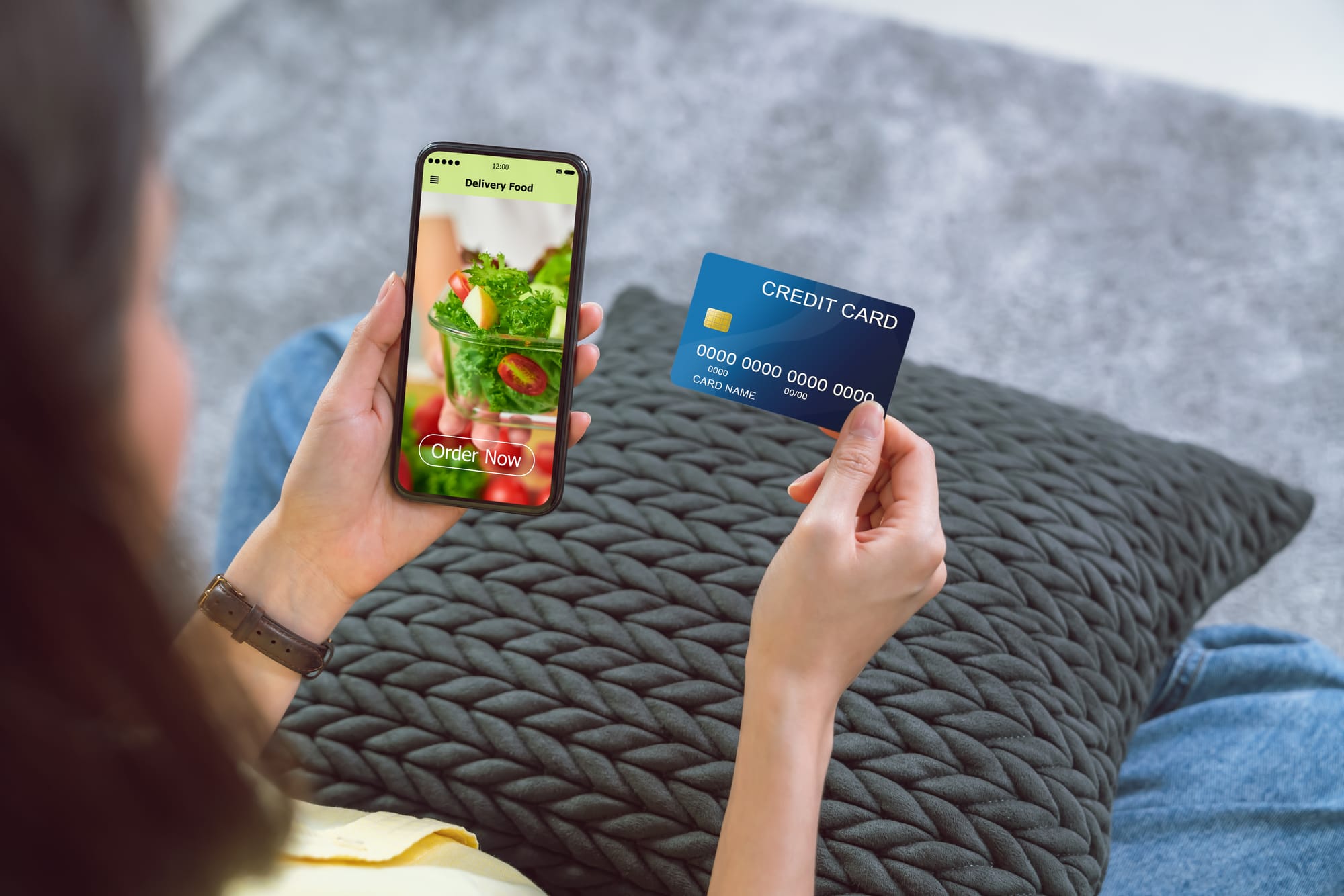
A free trial becomes a paid plan. A service you used once keeps renewing. A work tool you needed for one project stays on your card for six more months. A streaming platform you rarely open continues charging because canceling feels like a task for later.
This is how subscription fatigue begins - especially in entertainment, where consumers are juggling multiple streaming services, rising prices and fragmented content libraries.
Not with one bad decision, but with dozens of tiny forgotten ones.
What the subscription boom says about modern life
The bigger story is not just that companies want recurring revenue.
The bigger story is that ownership itself is becoming less central to how people live.
People are increasingly comfortable paying for access, flexibility and convenience. They do not always want to own the thing. They want the outcome.
They do not want a CD. They want music anywhere.
They do not want software on one computer. They want tools that update automatically.
They do not want to manage every purchase manually. They want products and services that arrive, renew and sync without much effort.
This shift says a lot about modern life.
We value speed. We value convenience. We value simplicity. And companies have learned how to turn those preferences into recurring payments.
The subscription economy works because it matches the way people live now: fast, digital, mobile and always connected.
But convenience has a cost.
The more automatic our spending becomes, the less visible it feels.
How to take back control
The solution is not to cancel every subscription.
That would miss the point. Some subscriptions improve your life, save time or support work you care about.
The smarter approach is to become more intentional.
Start by checking your bank or credit card statements from the last three months. Look for every recurring charge. Then ask a simple question:
Do I still use this enough to justify the cost?
If the answer is no, cancel it.
If the answer is maybe, pause it if possible.
If the answer is yes, keep it - but make sure it still fits your budget and your life.
Another useful rule is the “one in, one out” system. If you add a new subscription, cancel one you no longer need. This keeps your monthly spending from slowly expanding without your attention.
Annual plans can also make sense for tools you truly use all year, but only if you are confident the service is essential. Paying annually for something you barely use is just a bigger version of the same problem.
The goal is not restriction.
The goal is awareness.

The future will have even more subscriptions
The subscription economy is not going away. If anything, it is moving into more parts of daily life.
More software will become subscription-based. More products will be bundled into memberships. More companies will try to turn occasional buyers into long-term subscribers.
That means the ability to manage recurring payments is becoming a modern financial skill.
Not because subscriptions are dangerous on their own, but because they are designed to feel small, automatic and forgettable.
The future of spending may not be defined by big purchases.
It may be defined by dozens of tiny payments we barely notice.
And that is why the subscription trap matters.
It is not just a story about streaming apps or software tools. It is a story about how modern business has changed the meaning of ownership - and how consumers now have to pay closer attention to what they are really buying.
Not the product.
The access.
The convenience.
The habit.
And sometimes, the illusion of control.
Want more clear insights on the trends changing money, technology and modern life? Join Life Trendsetters and get the weekly briefing in your inbox.