Why We Trust Influencers More Than Institutions Now
Trust is moving from institutions to individuals. As creators, influencers and niche experts become the voices people listen to, brands and legacy institutions must learn a new language: authenticity, transparency and direct connection.

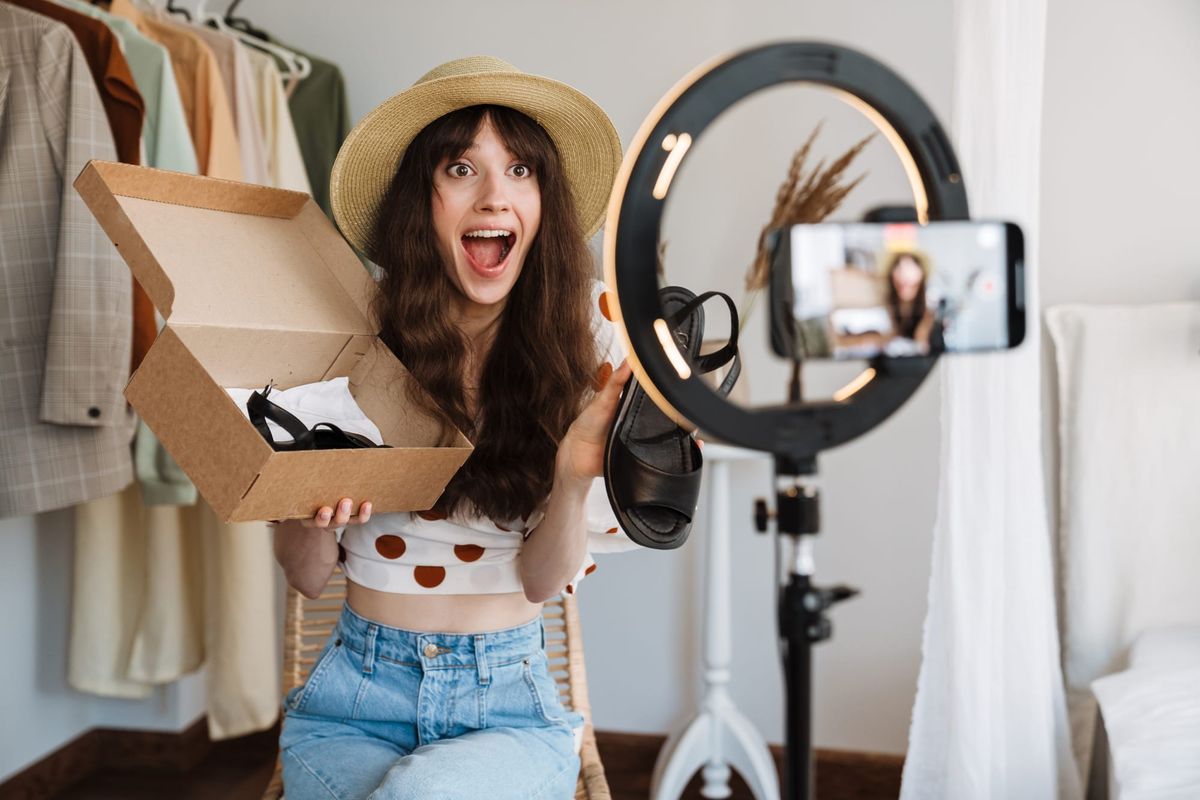
We used to look to banks, governments, and legacy news networks for guidance. Now, we're more likely to take financial advice from a TikToker or a product recommendation from a YouTuber. What happened? The very foundation of trust has been rebuilt, pixel by pixel, and the old guards of authority are being left behind. The entire dynamic of who we listen to has fundamentally changed.
What shattered our faith in traditional institutions?
The cracks began showing long ago. Events like the 2008 financial crisis left a deep scar, revealing that legacy institutions were not infallible protectors of the public good. This was amplified by years of political scandals, data breaches, and corporate messaging that felt increasingly tone-deaf and impersonal. The monolithic voice of authority began to sound hollow, creating a vacuum of belief.
These organizations were built for a different era-one of broadcast, not conversation. They are slow to adapt, bound by bureaucracy, and speak a language of press releases and formal statements. In a world demanding instant communication and radical transparency, their slow, guarded approach simply doesn't work anymore. This created a perfect opening for a new type of authority to emerge.


Why do we find influencers so believable?
The answer is rooted in a powerful combination of relatability and perceived authenticity. An influencer shares their morning coffee, their workout routine, and their business struggles. This constant stream of personal content creates a parasocial relationship-a one-sided connection where the follower feels they truly know the creator. This perceived intimacy makes their recommendations feel like advice from a trusted friend rather than a pitch from a faceless corporation.
This dynamic is supercharged by social proof. When we see a creator we follow and admire using a product or service, it acts as a powerful, modern-day word-of-mouth endorsement. It bypasses our cynical defenses against traditional advertising because it comes from a source we have voluntarily chosen to listen to. The trust isn't in the product itself; it's in the person recommending it, and that's a profound shift in consumer psychology. That trust can be powerful, but it can also be risky when creators blur the line between personal opinion, paid promotion and misinformation.
Isn't this just a different kind of marketing?
Of course it is, and a remarkably effective one at that. But to dismiss it as 'just marketing' misses the fundamental shift in accountability. An influencer's entire business-their reputation, their audience, their income-is built on a foundation of trust. A single dishonest review or a shady sponsorship can cause irreparable damage to their personal brand. This direct, personal consequence for misleading their audience is a powerful incentive to be selective.
Compare that to a massive corporation. When a big bank is fined for misconduct, the brand takes a hit, but the CEO is often insulated from the fallout. The institution is too big to fail, and the individuals at the top are rarely held personally accountable by the public. For an influencer, the brand and the individual are one and the same. That perceived vulnerability is, ironically, what makes them so trustworthy.
So, where is this trend heading?
The future of trust is becoming even more personal and decentralized. The era of the mega-influencer with millions of generic followers is giving way to the rise of micro- and nano-influencers who hold immense sway within specific, niche communities. Their authority comes from deep subject-matter expertise and a genuine connection with a smaller, more engaged audience. Trust is becoming hyper-specialized and intensely personal.
Institutions aren't going away, but their role must change. To remain relevant, they have to abandon the top-down broadcast model and learn the language of the creator economy: transparency, authenticity, and direct human connection. They have to earn back trust not through expensive ad campaigns, but by engaging in the same genuine conversations their new competitors have already mastered. The throne of authority is no longer inherited; it is earned, one follower at a time.
Want smarter insights on the cultural shifts changing how we choose, buy and connect? Join Life Trendsetters and get the weekly briefing on money, technology and modern life.