Your Body is the Newest Data Goldmine
Your body is becoming the most valuable data source in the modern economy. From heart rate and sleep cycles to daily movement patterns, biometric data is quietly powering a new wave of innovation in health, insurance, and personalized technology.

So, what's this new 'black gold' everyone is talking about?
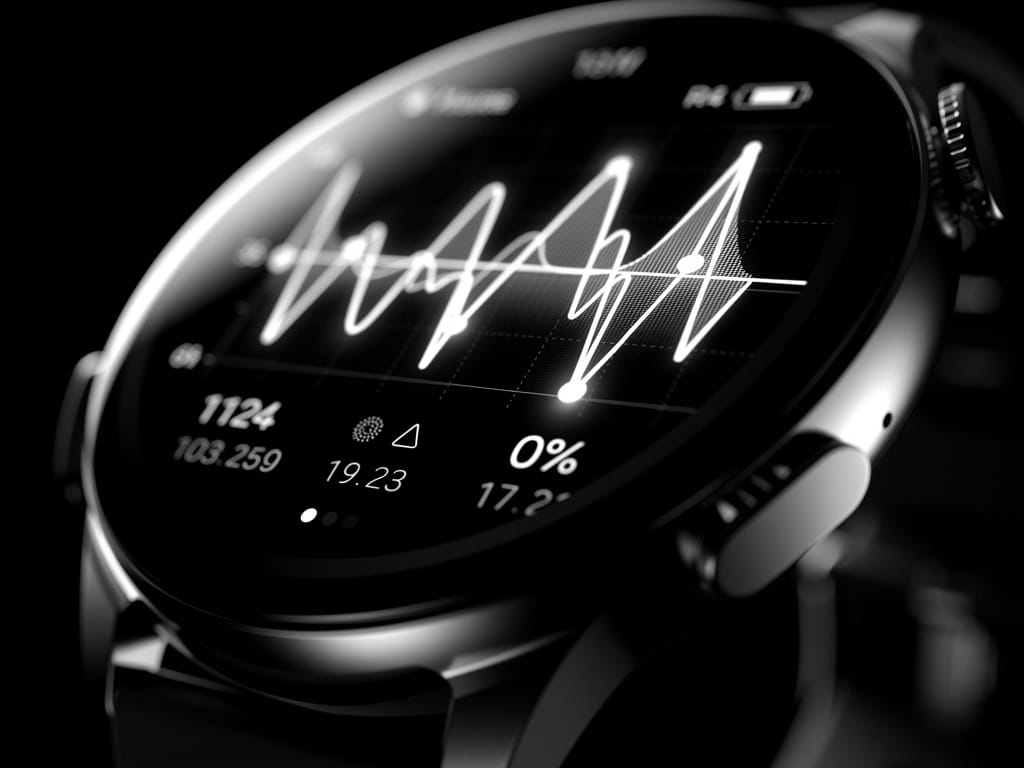
It isn't buried under miles of rock. It’s flowing through your veins, ticking in your chest, and tracking your sleep cycles. The most valuable, untapped resource on the planet right now is the data generated by your own body. Every heartbeat, step taken, and hour of REM sleep recorded by your watch or phone is a raw commodity. Tech giants are pivoting hard into health, but they aren't just building clinics. They are building the drills and refineries for this new economy.
Companies like Apple, Google, and Amazon are in a race to collect this information on a massive scale. They understand that aggregated biometric data is the foundation for the next wave of innovation in insurance, pharmaceuticals, and personalized medicine. Your individual data stream might seem small, but when combined with millions of others, it creates a predictive power that is almost unimaginable. It’s a quiet rush, happening on the device on your wrist, for a resource you didn't even know you were giving away.
Has this kind of resource rush ever happened before?
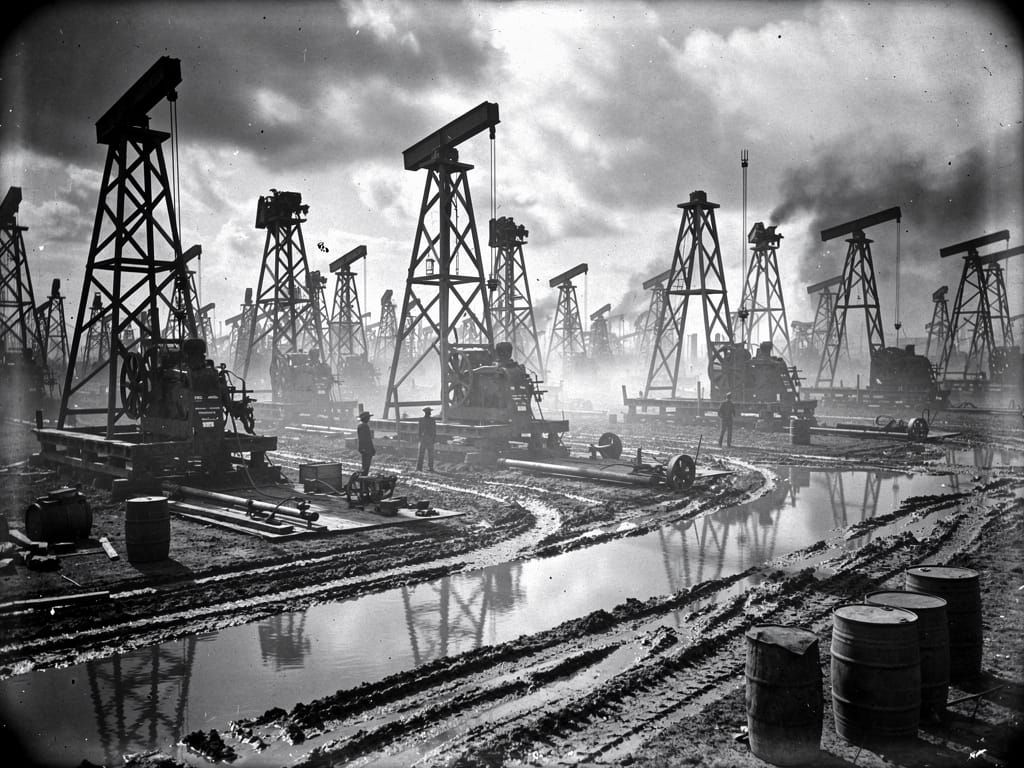
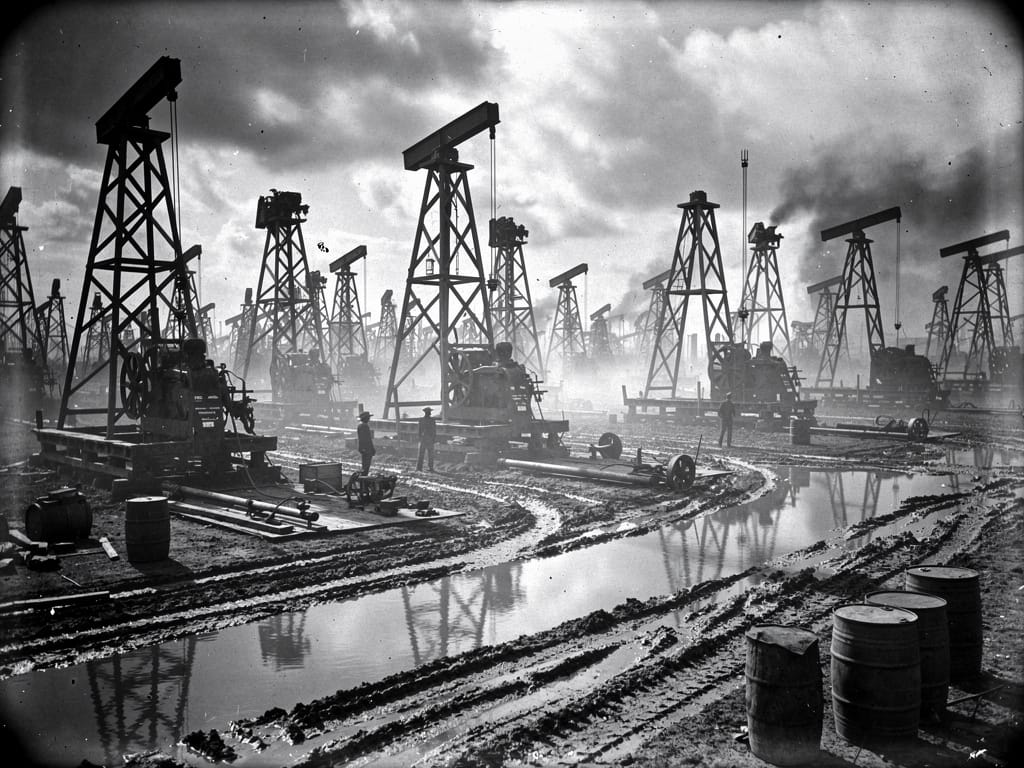
It has. To understand what's happening, you have to look back to the mud and grime of Western Pennsylvania in 1859. For years, the thick, black crude oil that seeped into creeks and ruined farmland was a nuisance. It was skimmed off water and sold in small bottles as a questionable patent medicine. Nobody saw it for what it was, until the world needed a better, cheaper fuel for its lamps than whale oil.
Then, a former railroad conductor named Edwin Drake drilled a well and struck oil. The world changed almost overnight. A chaotic, violent scramble began. Land that was worthless on Tuesday was worth a fortune by Friday. Men descended on the region with little more than a dream and a drill, erecting rickety wooden derricks that bled the earth dry. There were no rules, no regulations, and no grand plan. It was a raw, frantic harvest of a newly valuable resource, and it made a handful of men astonishingly rich.
How is today's data rush just history repeating itself?
The parallel is almost perfect. The digital health landscape is today's Pennsylvania oil field-a lawless frontier where the resource is there for the taking. The wildcatters of this era aren't muddy prospectors; they are slick app developers and device manufacturers, drilling for data points with every software update. The landowners are us, the users, and we are often trading away our 'mineral rights' for the convenience of a free sleep tracker or a fitness app.
The great oil barons, like John D. Rockefeller, didn't make their fortunes just by drilling. They won by controlling the next steps: the refining and the transportation. They built the pipelines and the refineries that turned messy crude into valuable kerosene and gasoline. Today's tech giants are building the modern equivalent. Their AI algorithms are the refineries, and their cloud platforms are the pipelines. They are positioning themselves to control the flow and processing of the world's most personal data, consolidating power just as Standard Oil once did.
But surely this time is different, right?
There are, of course, critical differences. The resource isn't a finite fossil fuel; it's an infinitely renewable stream of information generated by the simple act of living. An oil well eventually runs dry. Your body produces data until the day you die. This makes the long-term value proposition exponentially greater. The nature of ownership is also far murkier. You knew if someone put a derrick on your farm. Do you know every line of code in every app that has access to your heart rate variability?
The scale and speed are also without historical precedent. The Pennsylvania oil boom was regional. The biodata rush is global and instantaneous. A company in California can collect sleep data from a user in Tokyo in real-time. While regulations like HIPAA exist to protect medical information, they were designed for doctors' offices and hospitals. They often don't apply to the consumer tech companies that are gathering most of this new data, creating a massive gray area where the new wildcatters operate freely.
What does the end of the oil story tell us about our future?
The first chapter of the oil story was chaos. The second was consolidation, as Standard Oil grew to control nearly the entire industry. But there was a third chapter: regulation. Eventually, the public and the government realized that this resource was too fundamental to the nation's future to be controlled by a single, unchecked entity. The antitrust lawsuits broke up the monopolies and established new rules for the entire industry.
We are currently living in the first and second chapters of the biodata story simultaneously. The chaotic rush for data is happening at the same time a few massive companies are consolidating control over its refinement. The third chapter-the one about regulation, ownership, and control-is yet to be written. The fight won't be over territory, but over privacy and who has the right to profit from the information our own bodies produce. History shows us that when a resource becomes this valuable, a reckoning is inevitable.
Want smarter insights on how technology, money and modern life are turning everyday habits into data? Join Life Trendsetters and get the weekly briefing in your inbox.