Your Face Is Your Wallet
Biometric payments are turning identity into a checkout tool. From face scans to palm recognition, the future of frictionless commerce promises speed and convenience but raises serious questions about privacy, consent and control.


The era of physical wallets is not over yet, but biometric payments are pushing commerce toward a future where the body itself becomes the credential. This shift from physical tokens to biological identifiers represents the final frontier of frictionless transactions, fundamentally reshaping our relationship with money, security, and personal data. It's an evolution that promises unparalleled convenience at a cost we are only beginning to calculate, moving the point of sale from your pocket to your very person.
This technology operates on a simple yet powerful premise. Advanced cameras and artificial intelligence work in concert to map the unique geometry of an individual's face-measuring distances between the eyes, the shape of the nose, and the contour of the jawline. This digital 'faceprint' is then securely linked to a payment method, like a credit card or bank account. When it's time to pay, a quick glance at a compatible terminal is all that's needed to verify your identity and instantly authorize the transaction. It's a system designed to be faster than a card swipe and more secure than a PIN, eliminating the need to carry any device at all.
The Global Race for Biometric Dominance
While it might sound like a concept from a distant future, facial payment technology is already a present-day reality in many parts of the world. China has been one of the most visible testing grounds for facial payment, with Alipay launching “Smile to Pay” in 2017. The technology is so integrated that it's often more surprising to see someone pay with cash. This widespread adoption has created a massive real-world laboratory for refining the technology and observing consumer behavior.
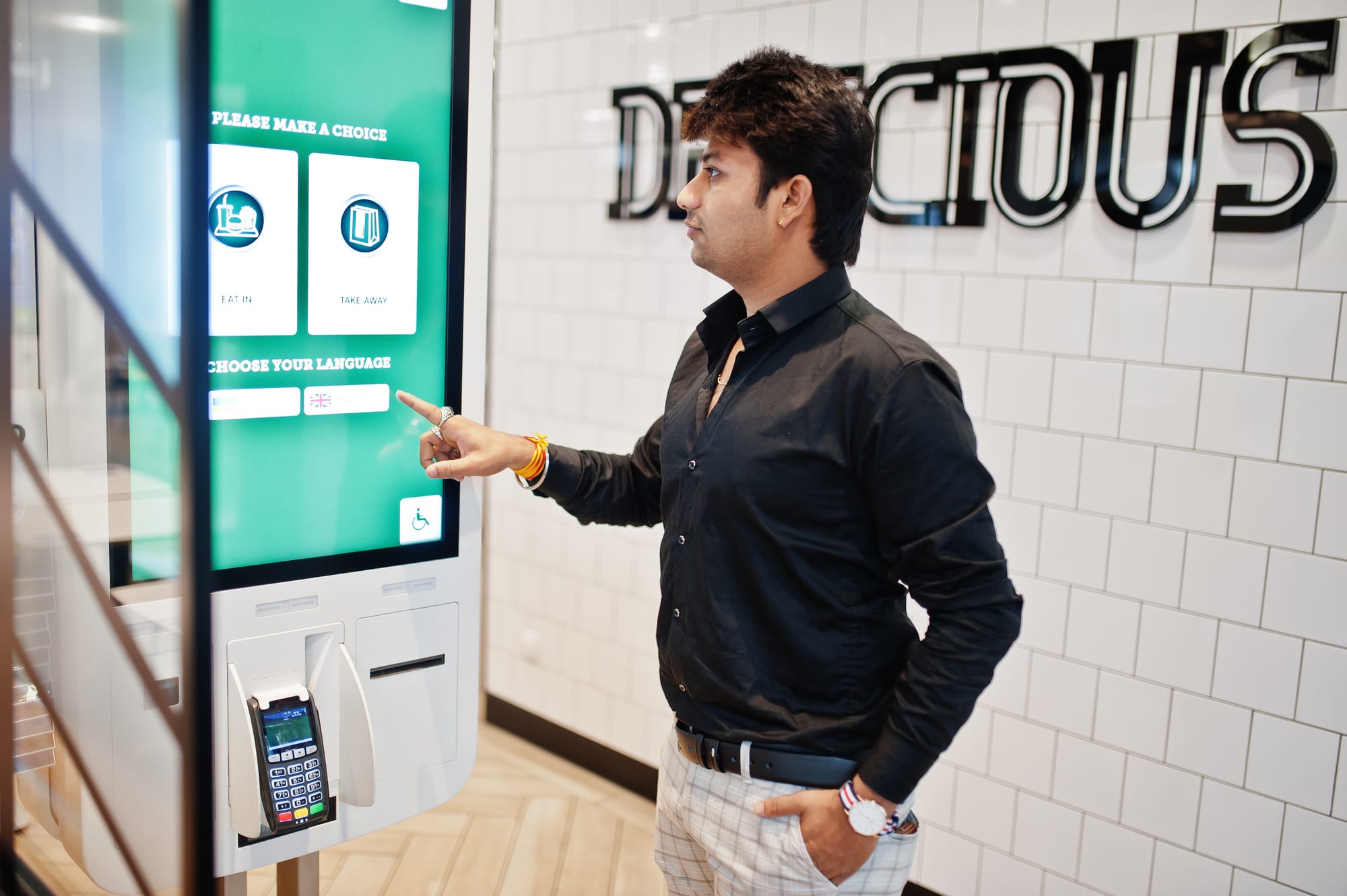
This trend is not confined to Asia. In Russia, Moscow's vast metro system has successfully deployed 'Face Pay', allowing millions of commuters to pass through turnstiles with just a look. Seeing these successes, Western companies are now accelerating their own programs. Mastercard has launched a Biometric Checkout Program, and Amazon’s Amazon One palm-scanning system showed how biometric checkout could move into mainstream retail, reaching Whole Foods and other U.S. venues but Amazon now says its retail biometric authentication services will be discontinued on June 3, 2026.
Beyond Convenience: The Business Case
For businesses, the appeal of biometric commerce extends far beyond simply speeding up checkout lines. The potential for data collection is immense. By linking a verified biological identity directly to purchasing habits, companies can achieve a level of marketing personalization that was previously unimaginable. Imagine loyalty programs that require no card or app, or advertisements that are tailored not just to a demographic, but to a specific, identified individual standing in the store.

The Double-Edged Sword of Data
Of course, this is where the conversation turns critical. The privacy implications of a world where your face is your wallet are profound and unsettling. Unlike a password that can be changed or a credit card that can be canceled, you cannot get a new face. If a database of biometric faceprints is breached by hackers, that information is compromised permanently. This raises enormous questions about surveillance, consent, and the potential for misuse by both corporations and governments. Who truly owns your faceprint? How is it being stored and protected? And what happens when this data is cross-referenced with your location history, social media activity, and other personal information?
The push toward a fully biometric economy requires a robust public debate about regulation, digital rights, and the kind of society we want to build. The technology could also deepen societal divides, potentially creating a two-tiered system where those who opt-out for privacy reasons face a more difficult, higher-friction commercial world. Are we prepared for a future where access to goods and services is contingent on a constant, passive identity check?
Understand the technologies reshaping how we pay, shop and move through the world.
Key Takeaways
- Facial recognition is quickly moving from a niche technology to a mainstream payment method that could replace cards and phones.
- Businesses are drawn to biometrics for its potential to increase transaction speed, gather hyper-specific customer data, and reduce certain types of fraud.
- The core challenge lies in the immense privacy and security risks, as your biometric data is permanent and irreplaceable if compromised.
- This technological shift forces a societal conversation about consent, surveillance, and the risk of excluding individuals who choose not to participate.
The transition to a world where your identity is your payment method is not a matter of 'if' but 'when' and 'how'. The promise of ultimate convenience is a powerful lure, but it arrives hand-in-hand with unprecedented challenges to privacy and personal autonomy. Understanding this trade-off is the first step in deciding what kind of future we want to buy into-one where our very face is the most valuable currency we possess.