The Convenience Tax: Why Modern Life Makes Spending Feel Effortless
Modern life has made spending almost invisible. From one-click checkout to delivery apps and subscriptions, convenience now comes with a hidden cost: we spend faster, easier and often without noticing.

We tell ourselves a comforting story about modern life: technology has made everything easier, faster, and better. We believe we're the savvy captains of our digital world, using apps and services to optimize our lives and save precious time. But what if that story is a carefully crafted illusion? What if every tap, swipe, and one-click purchase comes with a hidden surcharge-a 'Convenience Tax' that's systematically draining our wallets while we celebrate how effortless it all feels?
MYTH #1: Convenience is a Free Upgrade to Modern Life
REALITY:
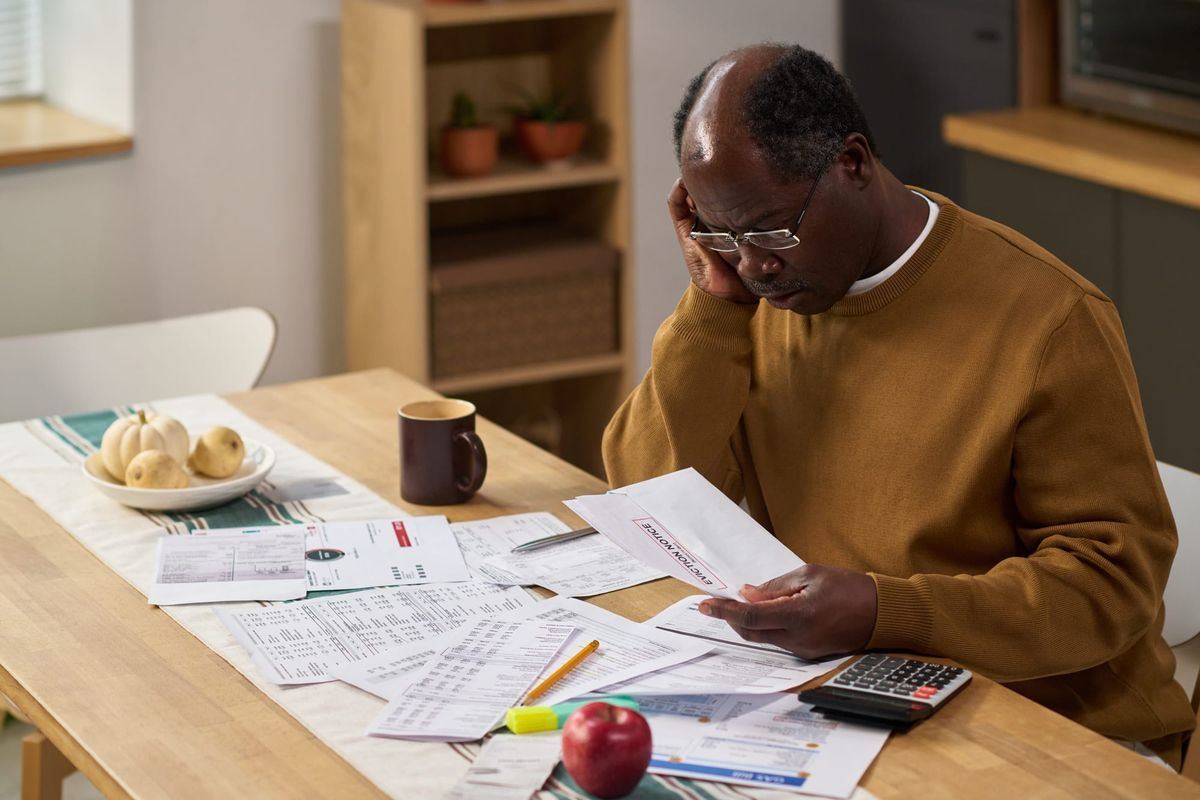
Convenience is not a feature; it's a product, and it carries a premium price tag. Every time you opt for grocery delivery to avoid a trip to the store, summon a car instead of walking a few blocks, or get takeout delivered instead of cooking, you are paying this tax. It's not just in the obvious delivery fees, service charges, and driver tips. It's built into the very structure of the on-demand economy, which thrives on our desire for immediate gratification.
These platforms are not designed to save you money. They are exquisitely engineered to separate you from it with as little friction as possible. Think about it: you would likely think twice about a $7 surcharge if you had to hand over physical cash for it. But when it's just another line item in a digital transaction confirmed with your fingerprint, the resistance melts away. This is the Convenience Tax in action-a thousand tiny, 'worth it' decisions that consolidate into a significant financial drain.
MYTH #2: I'm in Control of My Subscriptions
REALITY:
The subscription economy is built on a powerful psychological principle: inertia. We sign up for free trials or low introductory offers for streaming services, software, and delivery passes, fully intending to cancel if we don't use them. But life gets busy. The small, recurring charges become part of the financial background noise, and companies are banking on you not noticing, or not caring enough to navigate the often-annoying cancellation process.
This 'set it and forget it' model creates a steady stream of passive spending that feels weightless until you actually add it all up. A 2022 study showed the average consumer underestimates their monthly subscription spend by a staggering amount, often forgetting about services they haven't used in months. You are not 'in control' just because you authorized the first payment; you've simply automated your consent to be charged indefinitely, turning your bank account into a leaky bucket.
MYTH #3: 'Buy Now, Pay Later' is Just Smart Budgeting
REALITY:
Framing 'Buy Now, Pay Later' (BNPL) services as a budgeting tool is one of the most brilliant marketing deceptions of our time. These services don't help you budget; they help you bypass your budget entirely. By disconnecting the immediate pleasure of acquiring an item from the long-term pain of paying for it, BNPL short-circuits the part of your brain that makes rational financial decisions. A $400 purchase feels far less significant when it's presented as four 'easy' payments of $100.
This financial sleight of hand encourages overconsumption and makes it dangerously easy to accumulate debt without feeling its weight. Consumers often end up juggling multiple payment plans across different services, losing track of their total obligations. It isn't a tool for financial empowerment; it's a mechanism that leverages our cognitive biases to make us spend more than we can afford, all under the guise of flexibility. The only thing being budgeted is your future income, which is already spent.
The effortless world we've built is a masterclass in behavioral engineering. The goal isn't to reject modern convenience outright but to pull back the curtain and see the machinery at work. The true path to financial control isn't finding another app to manage your spending; it's reintroducing a healthy dose of friction. It's about recognizing that when a transaction feels completely painless, you are almost certainly the one paying the highest price.
Want smarter insights on the everyday trends changing money, technology and modern life? Join Life Trendsetters and get the weekly briefing in your inbox.
For more on how recurring payments quietly change the way we spend, read our previous post: “The Subscription Trap.”
 James Morton